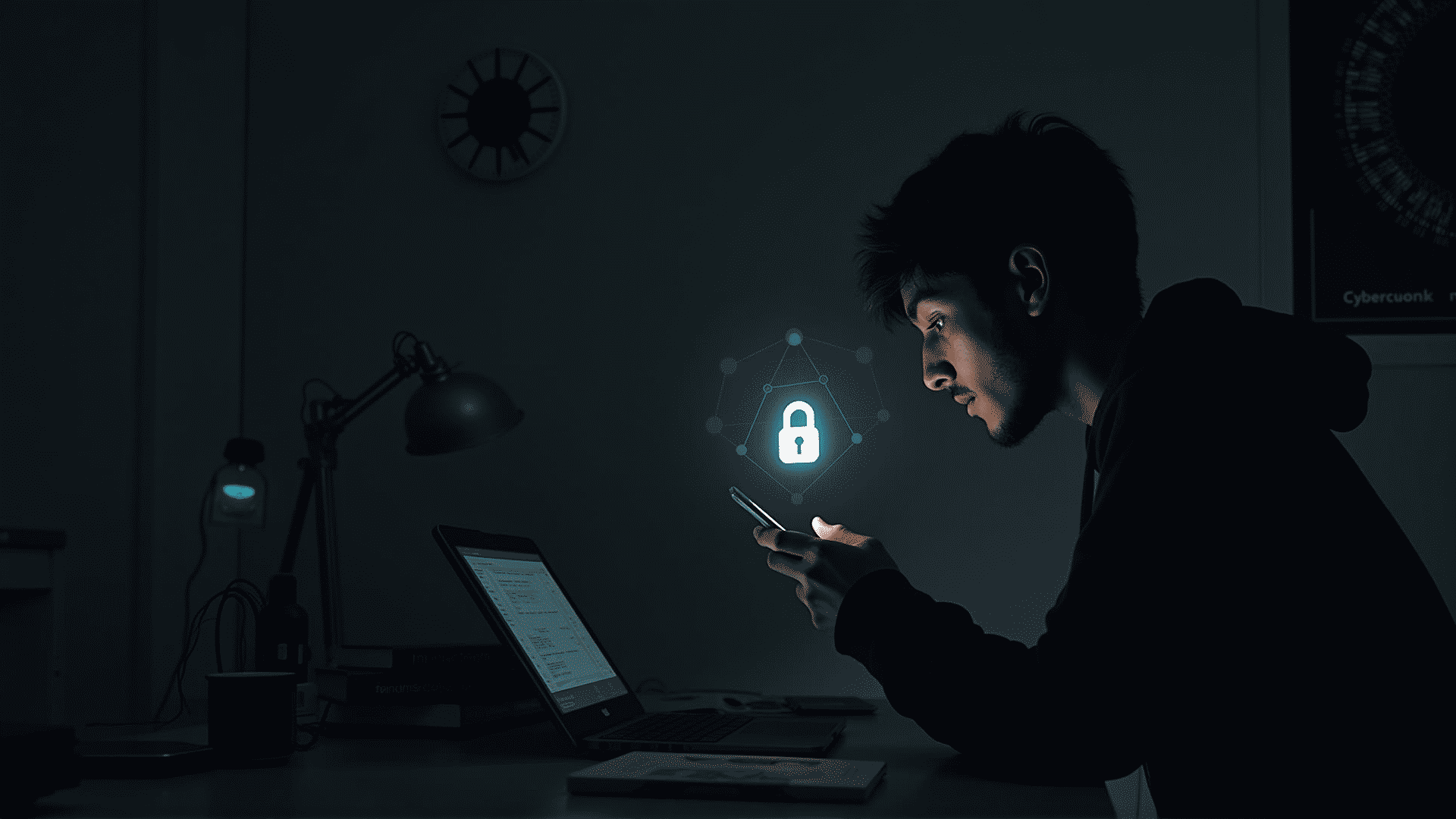
Introduction to Personal Cybersecurity
In today's digital realm, safeguarding personal information has emerged as a critical concern. As technology permeates every aspect of our lives, the demand for strong cybersecurity remedies is unmistakable. People increasingly rely on online platforms to organize their lives, from monetary dealings and shopping to communication and leisure pursuits. This extensive reliance heightens the hazards linked to digital identities, rendering personal information an appealing target for cyber malefactors.
At the core of personal cybersecurity is the inherent value of one's digital identity. It encompasses a diverse array of sensitive details, including social security numbers, financial data, and private discussions, all contributing to the creation of a distinct digital persona. The breach of such information can lead to severe consequences, ranging from identity theft and financial deception to a thorough invasion of personal privacy. Therefore, understanding the complexities of personal cybersecurity is crucial for protecting not only financial assets but also the intangible essence of individual autonomy in the digital sphere.
Clever hackers, often misunderstood, play a pivotal role in the cybersecurity domain. These experts possess advanced technical know-how, enabling them to identify and take advantage of weaknesses in systems and networks. However, their expertise isn't exclusively for malicious purposes. Ethical hackers, often referred to as white-hat hackers, utilize their skills to fortify security frameworks, prevent potential intrusions, and devise formidable defenses against malicious attacks. Check our ethical hacking services. Their insights illuminate the intricate landscape of cyber threats, providing valuable viewpoints that aid in crafting solid cybersecurity tactics.
Drawing on this understanding, individuals can adopt a proactive mindset to protect their personal data. It is essential to implement a comprehensive approach, combining both technical precautions and behavioral changes. This involves adopting practices like creating strong passwords, enabling multi-factor verification, and remaining alert against phishing attempts. By recognizing the significance of cybersecurity and the vital role of ethical hackers, individuals can traverse the digital realm with enhanced confidence, shielding their digital identities against the ever-evolving threat landscape. For a broader perspective, you can learn about Cybersecurity for Businesses.
The Role of Hackers in Cybersecurity
In the ever-evolving landscape of digital threats and vulnerabilities, the idea of hiring hackers has transformed from a controversial concept to a widely embraced component of comprehensive cybersecurity strategies. By engaging with these adept professionals, often referred to as ethical hackers, organizations can actively safeguard sensitive data and systems against potential breaches. Unlike malicious agents, ethical hackers utilize their expertise to discover weaknesses within networks with the authorization of the system proprietors, thereby fortifying the digital defenses of the organization.
Incorporating hackers into cybersecurity frameworks is not merely a reactive measure but a forward-thinking one. As cyber threats become increasingly advanced, relying solely on outdated security measures is no longer effective. Ethical hackers employ cutting-edge techniques to simulate potential attacks, revealing vulnerabilities that might otherwise go unnoticed until exploited by malevolent entities. Through coordinated penetration testing and vulnerability assessments, they offer critical insights, enabling organizations to address security gaps before any real damage occurs.
Moreover, the role of hackers in cybersecurity extends beyond just identifying technical weaknesses. They significantly contribute to fostering a culture of security awareness within organizations by providing training and guidance on threat detection and response protocols. By elucidating the intricacies of digital protection, they empower organizations to cultivate a more vigilant cybersecurity stance.
Choosing a hacker-for-hire can be a transformative decision, especially in arenas where safeguarding personal information is vital. Whether it is bolstering financial databases or protecting health records, the strategic inclusion of ethical hackers in cybersecurity teams underscores a commitment to resilience and diligence in the digital realm. For further exploration into the tenets and practices of ethical hacking, consider delving into resources dedicated to this specialized domain. Check our ethical hacking services For businesses looking to reinforce their digital security measures, Learn about Cybersecurity for Businesses.
Key Aspects of Identity Protection
In today's virtual domain, preserving the integrity of personal identity has become a crucial concern. With the continually expanding array of online traces, protecting one's credentials goes beyond prudence and becomes vital. At the heart of preserving identity security is the sturdy safeguarding of data through encryption, a method that transforms your information into a complex alphanumeric puzzle decipherable only with the correct decryption key. This prevents unauthorized access, rendering your data unintelligible to the digital threat of hackers.
Furthermore, employing multifactor authentication strengthens the fortress of your personal information. This involves more than a single username and password; it necessitates extra verification steps such as biometric scans or SMS passcodes, serving as an additional barrier against unauthorized access.
Beyond technological protections lies the crucial habit of alertness in guarding privacy. One must be skillful in identifying phishing tactics that pretend to be legitimate interactions, aiming to steal sensitive serenity through deceptive emails or fake websites. To avoid such intrusions, individuals should regularly update and scrutinize their passwords, ensuring they remain strong and impenetrable to potential intruders.
In summary, safeguarding one's identity is a dynamic combination of advanced technologies and prudent human actions. As virtual landscapes advance, so too must our methods and tools. By wisely layering our protective measures, we can traverse the digital realm with assurance and security, shielding our most essential digital traits from the malicious forces lurking in the shadowy nooks of cybercrime.
For businesses, it's vital to be equipped against these threats. Learn about Cybersecurity for Businesses to ensure robust protections. Additionally, consider enhancing security measures by understanding potential vulnerabilities through ethical hacking services.
How to Secure Your Digital Identity
Within the expansive ecosystem of the internet, refining your virtual persona is crucial. Imagine your online identity as a self-replicating organism that you constantly shape, with protection involving complex layers of vigilance and foresight. Initially, adopt multi-factor authentication (MFA) as your sentinel. Traditional passwords are remnants of a bygone age; enhance your accounts with two- or multi-factor authentication, merging something you know (password), something you have (smartphone), and something you are (biometric scan or facial recognition).
Next, exercise caution when disclosing private information. The principle of minimalism is vital here. Create a virtual persona that reveals only necessary fragments for your interactions. This discreet characteristic acts as a defense against those attempting to extract identities from widely-shared information.
Simultaneously, build a fortress—your gadgets—outfitted with sophisticated security software. These digital protectors are adept at fending off covert threats from malware, ransomware, and scams. Timely upgrades are the lifeblood for these sentinels; they require regular enhancements to counteract emerging dangers in the digital domain. For businesses, it's essential to learn about Cybersecurity for Businesses to protect sensitive information.
Furthermore, adjust your privacy configurations with meticulous precision. Social media networks, cloud services, and even browsers provide a variety of settings that, when configured carefully, significantly enhance your privacy. Approach these options with keen awareness, ensuring your digital cloak shields you from prying eyes exploring the virtual ether.
Additionally, conduct periodic evaluations of your online footprint. Like a scrupulous curator, regularly audit your digital existence, unearthing forgotten accounts and removing obsolete remnants. This not only fortifies your online identity but also minimizes opportunities for malicious forces to infiltrate. It's also beneficial to check our ethical hacking services to test the strength of your defenses.
In conclusion, safeguarding your virtual persona demands a proactive and sophisticated approach. By weaving these methods into your electronic tapestry, you ensure that your presence in the expansive digital realm remains enigmatic and secure.
Choosing the Right Cybersecurity Services
Navigating the complex realm of cybersecurity services requires a thorough understanding of several critical elements, particularly as both individuals and businesses become increasingly reliant on digital infrastructures. A key consideration is the scope of protection needed. This encompasses not only the variety of cyber threats—from harmful software and fraudulent email tactics to sophisticated ransomware and undetected weaknesses—but also the depth, such as whether perpetual monitoring and swift intervention are necessary versus occasional assessments.
Equally important is the aspect of penetration testing within cybersecurity. Ethical hacking involves executing simulated cyber-attacks on systems to discover vulnerabilities. When choosing a service, it is essential to ensure that the cybersecurity provider employs proficient ethical hackers who possess respected qualifications like Certified Ethical Hacker (CEH) or Offensive Security Certified Professional (OSCP). These credentials typically reflect a high level of expertise in addressing and actively protecting against the constantly evolving landscape of cyber threats. You might want to check our ethical hacking services for more detailed insights.
Furthermore, the decision should be guided by the vendor's reputation and track record. Thorough research includes reviewing client feedback, success stories, and any accolades that demonstrate reliability and efficiency. It is also wise to evaluate the company's compliance with international standards and regulations, such as ISO/IEC 27001, which underscores their commitment to comprehensive cybersecurity management.
While technological competence and certifications are vital, they are not the sole factors to consider. Human components, such as the quality of customer support, clarity in communication, and follow-up services, can significantly impact the overall effectiveness of cybersecurity solutions. Finally, conducting a cost-benefit evaluation is crucial; although selecting top-notch services may seem financially challenging, it often results in robust, adaptable protection that evolves with emerging cyber threats.
Thus, the careful selection of cybersecurity services involves a strategic alignment of technical proficiency, ethical standards, and service excellence, ensuring that the integrity of your digital environment is diligently safeguarded. Learn about Cybersecurity for Businesses to further explore these aspects.